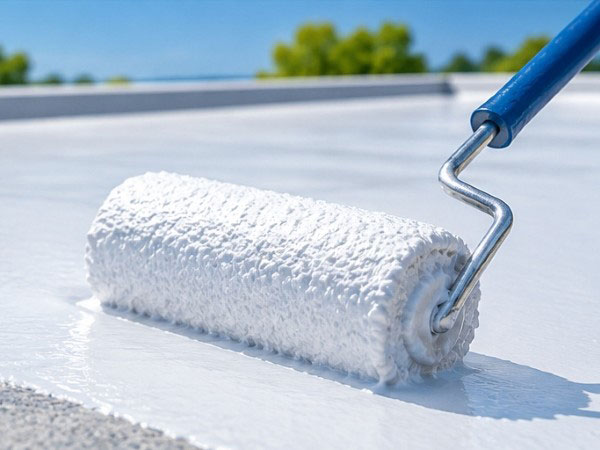
Silicone roof coating can be a strong restoration option for some commercial roofs, but it should not be treated as a universal upgrade. For a Post Falls, ID property owner, the right choice depends on the existing roof, drainage, moisture, surface compatibility, repair needs, and the performance requirements of the selected coating system.
Flag Ship Foam & Coatings provides silicone and acrylic coating and restoration services for commercial, industrial, and agricultural properties across northern Idaho and Montana. Property owners can call (208) 946-3031 to discuss whether a coating system is appropriate for the roof.
What Makes Silicone Roof Coating Different
Silicone coatings are commonly considered where water may remain on the roof longer than ideal and where UV exposure is a concern. Their resistance to weathering and standing water can make them useful in conditions where some other coating chemistries may be less suitable.
That does not mean silicone fixes the reason water is ponding. Drainage, slope, blocked outlets, settlement, and structural conditions still need to be evaluated separately. Flag Ship Foam & Coatings’ flat roof coatings page for Coeur d’Alene provides related context for comparing coating systems based on roof condition and project needs.
Silicone and Acrylic Serve Different Conditions

Acrylic and silicone coatings can both be appropriate depending on the roof. Acrylic systems are often used on roofs that drain well and where reflectivity and project economics are important. Silicone may be considered where prolonged moisture exposure or ponding resistance is a more important part of the system selection.
The choice should come from the proposed product, substrate, roof condition, expected exposure, application requirements, and manufacturer guidance. It is more useful to compare the complete restoration systems than to assume one chemistry is always better.
Compatibility Has to Be Confirmed
A coating should only be applied over a surface that is suitable for that system. Existing membrane type, previous coatings, contamination, weathering, repairs, and surface condition can all affect adhesion and preparation requirements.
The contractor should confirm whether cleaning, priming, adhesion testing, repairs, or removal of failing materials is required before coating begins. A compatible system installed over an unsuitable surface can still fail if preparation is incomplete.
Coating Is Not a Substitute for Roof Repair
Open seams, damaged flashing, punctures, failed penetrations, wet insulation, deteriorated decking, or other roof defects may need to be repaired before a coating system is installed. Coating over unresolved damage can hide a problem rather than solve it.
Flag Ship Foam & Coatings’ flat roof repair page for Coeur d’Alene provides useful comparison context for conditions that call for localized repair before restoration is considered.
Ponding Water Still Needs a Drainage Review
Silicone may tolerate standing water better than some alternatives, but the presence of ponding should still trigger a drainage review. The contractor should determine whether drains, scuppers, gutters, roof slope, settlement, or other conditions are contributing to the problem.
The proposal should state whether drainage corrections are part of the project or whether the coating is being specified over a roof where some ponding will remain. That distinction matters because coating performance and drainage performance are not the same thing.
Application Conditions Matter
Silicone coating systems have product-specific requirements for surface condition, temperature, moisture, humidity, cure time, and application thickness. Those limits should come from the selected system rather than from a generic rule about when silicone can be installed.
Weather can affect project timing, especially when dew, rain, or surface moisture could interfere with preparation or curing. The contractor should explain the conditions that must be met before each application stage proceeds.
Thickness and Coverage Should Be Documented
The proposed system should identify preparation, primers when required, repair details, coating application rate, target thickness, and treatment of penetrations, seams, edges, and drains. A coating project should not be described only as applying a new surface over the roof.
Ask how the contractor will verify coverage and thickness during installation and what closeout documentation will be provided when the work is complete.
Know When Replacement Is the Better Comparison
A coating may not be appropriate when deterioration is too widespread, wet materials cannot remain, the substrate is unsuitable, or the existing roof no longer provides a practical base for restoration. In those cases, replacement may deserve comparison with further repair or coating.
Flag Ship Foam & Coatings’ flat roof replacement page for Coeur d’Alene provides related context for evaluating a broader scope when the existing roof cannot reasonably support restoration.
Maintenance and Recoating Depend on the Installed System
There is no universal recoating interval for every silicone roof. Inspection frequency and future recoating should follow the selected product, installed thickness, exposure, roof traffic, drainage, maintenance history, observed wear, and any warranty requirements.
Property owners should keep the coating specification, installation records, inspection findings, repairs, and any warranty documents together so future maintenance decisions are based on the actual installed system.
Silicone Roof Coating in Post Falls, ID
Flag Ship Foam & Coatings serves commercial, industrial, and agricultural properties across northern Idaho and Montana with silicone and acrylic coating and restoration services. The right recommendation should follow the roof’s condition and compatibility with the proposed system.
For a Post Falls property, call (208) 946-3031 to discuss the existing roof, drainage, repair needs, and whether silicone coating is a suitable restoration option.
Frequently Asked Questions
Is silicone roof coating better than acrylic?
Neither is universally better. Silicone may be attractive where standing water or prolonged moisture exposure matters, while acrylic may fit roofs with different drainage, budget, or system requirements.
Does silicone coating fix ponding water?
No. Silicone may tolerate standing water, but it does not correct the drainage, slope, settlement, or outlet conditions causing ponding.
Can silicone be applied over an existing roof coating?
Sometimes. Compatibility, surface condition, adhesion, preparation, and manufacturer requirements should be confirmed before recoating.
How often does a silicone-coated roof need recoating?
There is no universal interval. Recoating depends on the installed system, thickness, exposure, roof condition, maintenance history, and applicable warranty requirements.