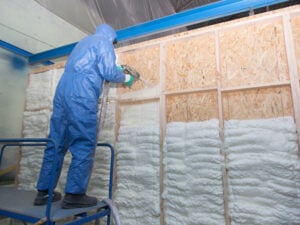
Foam insulation contractor proposals involve more than comparing bottom-line pricing. Insulation projects can vary significantly based on material selection, installation methods, project scope, and performance expectations, making it important to understand exactly what is included before making a decision. Reviewing proposal details carefully helps property owners compare options more accurately and plan for long-term building performance.
Flag Ship Foam & Coatings provides foam insulation services for commercial, agricultural, and industrial properties in Belgrade, MT. Call (208) 946-3031 to discuss insulation solutions and review project options designed around your building’s needs.
A detailed proposal helps property owners understand insulation materials, installation specifications, and performance expectations while supporting informed decisions that protect long-term building value.
What a Foam Insulation Contractor Proposal Should Include
A complete foam insulation proposal is not a single line item and a total. It is a document that identifies every material, every application area, every performance specification, and every warranty obligation before work begins. If a proposal does not include these details, the building owner has no way to verify that the finished installation matches what was promised.
Montana buildings face some of the most demanding insulation conditions in the country. Belgrade sits in the Gallatin Valley where winters are cold, temperature swings between day and night can be extreme, and agricultural and commercial buildings often have large uninsulated surface areas that lose significant heat. A spray foam proposal for this environment needs more detail than what a milder-climate contractor might produce.
Product Specifications Included in a Foam Insulation Contractor Proposal
Open-cell and closed-cell spray polyurethane foam are not interchangeable products. Open-cell foam is lower density, vapor-permeable, and designed for interior applications like wall cavities and attic decks where moisture management is handled by a separate barrier. Closed-cell foam is high-density, acts as its own vapor retarder, and is the correct choice for roofing applications, exterior wall assemblies, and anywhere in a Montana building that faces direct moisture or thermal load exposure.
The proposal must name the specific product being installed, including the manufacturer and product line. A proposal that says only “spray foam” without specifying open or closed cell, density, or manufacturer is incomplete. It leaves the contractor free to substitute a lower-performing product after the contract is signed, and the building owner has no written standard to hold them to.
Thickness and R-Value Specifications That Impact Performance

Spray foam insulation performance is a direct function of installed thickness. Closed-cell foam delivers approximately R-6 to R-7 per inch, and open-cell foam delivers approximately R-3.5 to R-4 per inch. The proposal must specify the target thickness in inches for each application area and the corresponding R-value that thickness achieves. These two numbers need to appear together so the building owner can verify that the proposed installation will meet Montana energy code minimums and the building’s actual thermal performance goals.
Thickness requirements vary by location in the building. A roof deck assembly has different minimums than an exterior wall cavity or a crawl space underside. A thorough proposal breaks these down by zone rather than giving a single blanket thickness for the entire project. Agricultural buildings in the Belgrade area, like machine storage or livestock facilities, often need higher R-value targets than code minimums alone require.
Key Project Details Specified by a Foam Insulation Contractor
The foam application is the visible part of the project. A complete proposal accounts for the work that happens before and after it as well. These line items belong in every foam insulation contractor proposal:
- Surface preparation method and scope, including what cleaning, priming, or moisture testing will be performed before application begins
- Protective coating specification if the foam will be exposed, including the product name, application rate, and the UV and fire rating the coating provides
- Warranty terms from both the foam manufacturer and the contractor, stated separately and identifying what each covers and for how long
- Site protection measures for occupants, equipment, and adjacent surfaces during application, including ventilation requirements and re-occupancy timeline
Professional Foam Insulation Contractor
A foam insulation contractor proposal should provide clear information about project scope, materials, installation methods, and expected performance. Missing details can make it difficult to compare options accurately and may lead to unexpected costs or performance concerns long after the project is complete. Understanding proposal specifications helps property owners make informed decisions that support long-term building efficiency and value.
Flag Ship Foam & Coatings provides foam insulation services for commercial, agricultural, and industrial properties in Belgrade, MT. Call (208) 946-3031 to schedule a consultation and review insulation solutions designed around your building’s needs.
A detailed insulation proposal helps building owners understand exactly what is included before work begins, supporting better planning, improved energy performance, and long-term operational value.
FAQ
What is the difference between open-cell and closed-cell spray foam insulation?
Closed-cell is denser, acts as a vapor barrier, and suits exterior and roofing applications. Open-cell is softer, vapor-permeable, and suited for interior cavities.
How thick does spray foam insulation need to be in Montana to meet code?
Montana energy code R-value minimums vary by climate zone and application area. A qualified contractor calculates required thickness by zone before proposing the project.
Does spray foam insulation need a protective coating?
Yes, any foam left exposed to sunlight or weather requires an elastomeric or acrylic topcoat for UV protection and fire resistance compliance.
How long does a spray foam insulation installation take for a commercial building?
Project length depends on square footage and building access, but most commercial applications are completed within one to three days once surface prep is done.