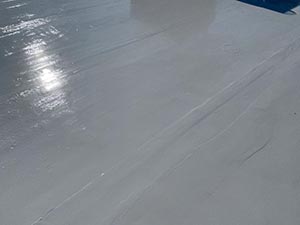
Commercial roofs in Post Falls, ID are exposed to heavy snowfall, spring snowmelt, summer heat, and year-round moisture. Choosing the right roof coating helps protect an aging roofing system while improving its ability to withstand local weather conditions. Understanding the different types of roof coatings allows property owners to select the best solution for their building.
For more information, read our guides to spray Foam Roofing in Post Falls and EPDM Roofing in Post Falls.
Flag Ship Foam and Coatings specializes in roof coating systems in Post Falls, ID. Call (208) 946-3031 to discuss the best coating option for your commercial roof.
The right roof coating can extend roof life, improve weather resistance, and help delay the need for a full roof replacement.
Roof Coating Options for Northern Idaho Roofs
The two most common coating categories for commercial roofs are silicone and acrylic. Both create a protective surface over an existing roofing membrane, but they perform differently under certain conditions. Rather than viewing one coating as better than the other, building owners should evaluate how each option matches the roof’s needs.
Post Falls experiences significant snowfall during the winter, followed by spring thaw that can leave standing water on low-slope roofs. Summer brings strong ultraviolet exposure, while seasonal temperature swings place additional stress on roofing materials. These local conditions make coating selection an important part of long-term roof performance.
Understanding how each coating responds to moisture, sunlight, and changing temperatures allows property owners to select a system that supports the building’s specific environment.
Comparing Silicone and Acrylic Roof Coating Performance

Silicone coatings are often selected for roofs where ponding water is difficult to eliminate. Ponding water refers to water that remains on the roof for more than 48 hours after precipitation. Silicone maintains its protective characteristics during prolonged exposure to standing water, making it well suited for roofs with drainage challenges.
Acrylic coatings generally perform best on roofs with positive drainage where water flows away efficiently after rainfall or snowmelt. They provide strong resistance to ultraviolet exposure and reflect sunlight effectively, helping protect the roofing membrane from long-term weathering.
The existing roof condition also influences coating selection. Roof slope, drainage patterns, and overall membrane integrity all play a role in determining which coating system offers the most appropriate balance of performance for a particular building.
Cold Weather Application and Future Recoating
Northern Idaho’s climate creates a relatively short construction season compared to warmer regions. Application conditions matter because coatings must bond properly to the existing roofing surface to achieve long-term performance.
Silicone and acrylic systems each have recommended temperature ranges and surface preparation requirements. Cold temperatures, moisture, or frost can interfere with adhesion if installation takes place outside the manufacturer’s recommended conditions. Scheduling coating work during suitable weather helps maximize performance regardless of which coating is selected.
Another consideration is future maintenance. Commercial roof coatings are designed to be renewed through recoating after years of service. The ease of future recoating varies depending on the coating already installed and the condition of the roof at that time. Building owners who understand this maintenance cycle can better plan long-term roofing budgets.
Preparing the Roof Before Applying a Coating
The success of any coating system depends on proper preparation. Existing leaks, damaged flashing, open seams, and saturated roofing materials should be addressed before the coating is applied. Installing a coating over unresolved roofing problems reduces its ability to perform as intended.
The roof is thoroughly cleaned so the coating can bond to a stable surface. Repairs are completed where necessary, and the membrane is inspected to confirm that it is a suitable candidate for restoration rather than replacement.
A careful evaluation before application helps determine whether silicone or acrylic is the better fit for the roof’s drainage characteristics, weather exposure, and overall condition. Matching the coating system to the building’s needs supports dependable performance for years to come.
Post Falls Roof Coating Experts
Silicone and acrylic roof coatings each offer distinct benefits, but the best choice depends on the condition of the roof and the environment it faces. Factors such as ponding water, weather exposure, application requirements, and long-term maintenance all play a role in selecting the right coating system.
Flag Ship Foam and Coatings installs roof coating systems in Post Falls, ID. Call (208) 946-3031 today to determine the best coating solution for your commercial roof.
Choosing the right roof coating can improve weather resistance, extend roof life, and help maximize the value of your existing roofing system.
FAQ
What is the key difference between silicone and acrylic roof coatings?
Silicone coatings generally perform better where ponding water remains on the roof, while acrylic coatings are often a strong choice for roofs with good drainage and consistent exposure to sunlight. The best option depends on the roof’s condition and drainage characteristics.
How long does a roof coating last in Post Falls, and can it be recoated?
Service life varies depending on the coating type, installation quality, weather exposure, and maintenance. Many commercial coating systems can be recoated after years of service, allowing the roof’s protective surface to be renewed.
Does my existing roof need repairs before a coating can be applied?
Yes. Open seams, damaged flashing, active leaks, and other roofing defects should typically be repaired before a coating is installed. Proper preparation helps the coating adhere correctly and perform as intended.