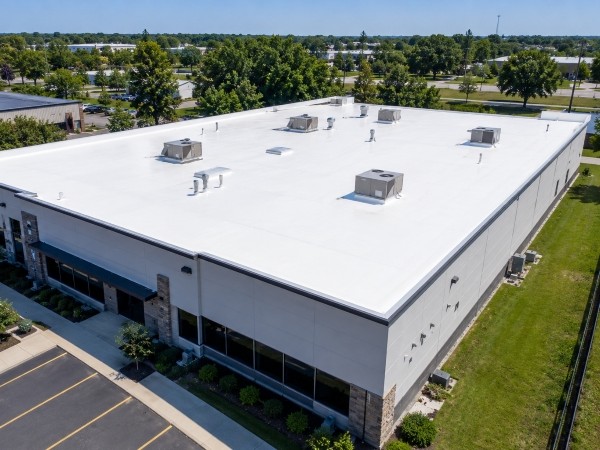
Commercial property owners in Butte, MT considering a new roof for a flat or low-slope building may be comparing TPO, PVC, and EPDM single-ply systems. Each system has different details, and the right choice depends on the existing roof, drainage, insulation, rooftop use, attachment needs, and project requirements. Flag Ship Foam & Coatings installs TPO, PVC, and EPDM single-ply roofing for commercial properties in its Montana service area, including Butte.
A useful comparison should focus on how each membrane fits the building rather than treating one material as the universal best choice. Winter weather, seasonal temperature changes, rooftop equipment, and drainage can all affect installation planning and long-term roof care.
Comparing TPO, PVC, and EPDM
| Membrane | Common seam approach | Project considerations |
|---|---|---|
| TPO | Heat-welded seams | Often selected where a reflective single-ply surface is desired. Installation details, attachment, seam quality, insulation, and drainage still need to match the building. |
| PVC | Heat-welded seams | May be considered where rooftop conditions include grease or certain chemical exposures. Compatibility and project-specific exposure should be confirmed before selection. |
| EPDM | Tape or adhesive seam systems | A longstanding single-ply option valued for flexibility. Attachment, seam detailing, surface color, drainage, and rooftop use remain part of the system decision. |
These are general system characteristics, not a substitute for a project-specific roof assessment. Membrane thickness, attachment method, insulation, cover boards, flashing details, penetrations, and other components can change how a single-ply assembly performs. The proposal should identify the complete roof assembly being recommended, not only the membrane name.
How Butte Conditions Affect Project Planning
Cold-weather periods and seasonal temperature changes can affect when roofing work is practical and how installation steps are managed. Heat-welded seams on TPO and PVC require the installer to follow the selected system’s procedures and adjust equipment and work practices for site conditions. EPDM uses different seam and adhesive methods, which also have application requirements that must be followed.
Snow and meltwater make drainage another important part of the assessment. Drains, scuppers, gutters, roof slope, and areas where water collects should be reviewed before a new membrane is specified. Roofing work does not replace structural snow-load evaluation, and a membrane should not be presented as a fix for unresolved drainage or substrate problems.
Start With the Existing Roof
Before selecting a membrane, the contractor should evaluate the existing roof and accessible supporting conditions. A commercial roof inspection can help document surface condition, seams, flashing, penetrations, drainage, previous repairs, and visible signs that may require more investigation.
Existing moisture or deteriorated materials can affect whether a recover approach is appropriate or whether removal and replacement work is needed. Owners should ask what the contractor can confirm during the assessment, what remains concealed, and how unexpected conditions would be handled if they are discovered during the project.
Compare the Full Scope, Not Only the Membrane
A single-ply proposal should explain more than whether the roof will use TPO, PVC, or EPDM. Useful details include membrane thickness, attachment method, insulation or cover-board work, flashing, penetrations, roof edges, drainage-related work, preparation, removal or recover work, exclusions, and closeout expectations.
If the existing roof remains suitable for restoration rather than replacement, a roof coating may be another option to evaluate. Coating suitability depends on the existing roof, moisture, surface condition, compatibility, drainage, and repair needs. It should not be treated as an automatic substitute for a new single-ply system.
Maintenance and Warranty Questions

Single-ply roofs still require ongoing inspection and maintenance. Property owners should monitor drainage, penetrations, flashing, seams, rooftop traffic areas, and any locations that have been repaired. The appropriate inspection schedule depends on the installed system, roof condition, exposure, maintenance history, and written project requirements rather than one fixed interval for every building.
Flag Ship Foam & Coatings reports system warranty options up to 20 years depending on the roof system. The actual warranty for a Butte project should be confirmed from the written proposal and warranty documents. Ask what is covered, what is excluded, what maintenance or notification requirements apply, and who is responsible for warranty service.
Single-Ply Roofing in Butte, MT
Flag Ship Foam & Coatings has been in business for 20 years and serves commercial, industrial, and agricultural properties across Montana and northern Idaho. For a Butte single-ply project, the membrane decision should follow the building’s actual roof condition, drainage, insulation, rooftop use, and project requirements.
When comparing commercial roofing companies in Butte, ask each contractor to explain the complete proposed assembly and the reasoning behind the membrane choice. Contact Flag Ship Foam & Coatings at (208) 946-3031 to discuss a single-ply roofing assessment for your building.
Frequently Asked Questions
Which single-ply membrane is best for a Butte commercial building?
There is no single best membrane for every building. TPO, PVC, and EPDM each have different characteristics, and the choice should reflect the existing roof, drainage, insulation, rooftop use, exposure, and project requirements.
Can single-ply roofing be installed during cold weather?
Cold-weather work may be possible, but installation methods and materials have temperature and site-condition requirements. The contractor should explain how the selected system’s procedures will be followed for the planned installation period.
What should a single-ply roofing proposal include?
It should identify the membrane, thickness, attachment method, insulation or cover-board work, flashing, penetrations, drainage-related work, preparation, exclusions, and applicable warranty terms.
Does a single-ply roof need ongoing maintenance?
Yes. Drainage, seams, flashing, penetrations, traffic areas, and previous repairs should be monitored as part of a maintenance program suited to the installed system and building conditions.