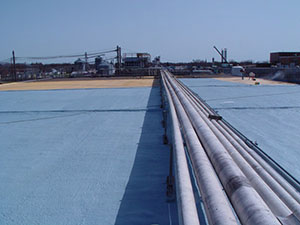
Spray foam roofing can be a practical option for some commercial buildings in Kalispell, MT, but the decision should start with roof condition and the complete proposed assembly. Flag Ship Foam and Coatings installs spray foam roofing for commercial properties in Montana and northern Idaho. Before choosing it, confirm whether the existing roof is dry and serviceable, how drainage will be handled, what protective coating is specified, and what the system is expected to accomplish for the building.
To discuss a commercial roof in Kalispell, call 208-946-3031. The assessment should identify both the reasons spray foam may fit and the conditions that could make repair, restoration, or another roof system more appropriate.
Spray Foam Roofing and Energy Performance
Spray polyurethane foam is applied as a liquid and expands into an adhered insulating layer. Because it can form a continuous layer across the roof surface, it can add insulation while reducing some gaps at roof details. That can make energy performance part of the decision, especially when the existing roof assembly has limited insulation.
Energy savings should not be assumed from the membrane choice alone. Results depend on the existing insulation, proposed foam thickness, air leakage, HVAC operation, occupancy, climate, and how the building is used. The proposal should explain the insulation value being added and how that change fits the building rather than promise a universal reduction in utility costs.
Where Spray Foam Works and Where It Has Limits

The table below separates useful spray-foam characteristics from conditions that still need project-specific confirmation.
| Roof Question | What Spray Foam Can Contribute | What Still Needs to Be Confirmed |
|---|---|---|
| Heat transfer through the roof | Adds an insulating layer as part of the roof assembly | Existing insulation, required thickness, HVAC conditions, and expected building-level effect |
| Seams and irregular details | Can form a continuous layer around many curbs, penetrations, and transitions | Existing flashing, damaged components, preparation, and detail requirements still need to be addressed |
| Wet roof materials | Does not correct concealed moisture by covering it | Whether insulation, deck, or other materials are wet and what corrective work is required before installation |
| Sun and weather exposure | Functions as part of a system that includes a protective coating | The coating system, application requirements, and future inspection or recoating needs specified for the project |
| Ponding or low areas | May allow slope correction in some project designs | Whether the drainage problem can actually be corrected within the proposed foam scope |
| Fire and code requirements | Can be used within a tested roof assembly | Which assembly is proposed and what documentation supports the applicable project requirements |
Moisture, Drainage, and Existing Roof Condition
Spray foam should not be treated as a way to hide a wet or deteriorated roof. If staining, recurring leaks, soft areas, or other observations suggest concealed moisture, the assessment should state what is known and what still needs confirmation. The appropriate investigation method depends on the roof and the decision being made.
Drainage also matters. Foam can sometimes be shaped as part of a slope-correction plan, but it does not automatically solve every ponding condition. Drains, scuppers, existing low areas, deck condition, and the amount of slope correction required should be evaluated before the final scope is approved.
Protective Coating and Weather Conditions
Spray foam roofing is installed as a system that includes a protective coating over the foam. The proposal should identify the coating, preparation, application requirements, and the maintenance or inspection expectations that apply to the selected system. It should also explain what happens if weather interrupts the work.
Application depends on suitable temperature, surface, and moisture conditions. A Kalispell schedule therefore needs realistic weather contingencies rather than a promise that installation can proceed in any season or condition.
What a Contractor Assessment Should Cover
Before signing, ask what was inspected and what evidence supports the recommendation. A useful assessment should address existing roof condition, moisture concerns, drainage, flashing and penetrations, surface preparation, proposed foam thickness, coating system, access, and any areas that remain uncertain.
Ask for the roof-system specification and written warranty terms if coverage is offered. Flag Ship Foam and Coatings uses multiple manufacturers and offers system warranties depending on the roof system, but the applicable provider, term, conditions, exclusions, and maintenance requirements should come from the actual project documents.
When to Arrange a Closer Assessment
Recurring leaks, new interior staining, visible coating damage, standing water that persists after surrounding areas drain, or unexplained changes in building comfort can justify a closer roof review. These observations do not identify the cause by themselves. They are signals to document and investigate before choosing a repair, restoration, or new roof system.
If the roof may be better suited to another membrane, Flag Ship Foam and Coatings also provides single-ply roofing in Kalispell. When the condition is not yet clear, a roof inspection can establish a condition baseline before the system choice is finalized.
Spray Foam Roofing in Kalispell, MT
Spray foam roofing can be a useful commercial option when the existing roof, drainage, insulation goals, weather conditions, coating system, and project requirements support it. The practical next step is to evaluate those conditions in writing rather than selecting foam from general claims about energy savings or resistance. To discuss a Kalispell commercial roof, call Flag Ship Foam and Coatings at 208-946-3031.
Frequently Asked Questions
Will spray foam roofing lower my energy bills?
It can add insulation and reduce heat transfer through the roof, but building-level savings depend on the existing assembly, foam thickness, HVAC operation, air leakage, occupancy, climate, and other conditions.
Can spray foam be installed over a wet roof?
Spray foam should not be used to conceal wet or deteriorated materials. Moisture concerns need to be investigated and the required corrective work defined before installation.
Does spray foam roofing need a protective coating?
Yes. Commercial spray foam roofing is used as part of a system with a protective coating. The project documents should identify the coating and its application and maintenance requirements.
Can spray foam roofing be installed during winter?
Installation depends on suitable temperature, surface, and moisture conditions for the selected products and project. The schedule should include weather contingencies rather than assume work can proceed in all winter conditions.