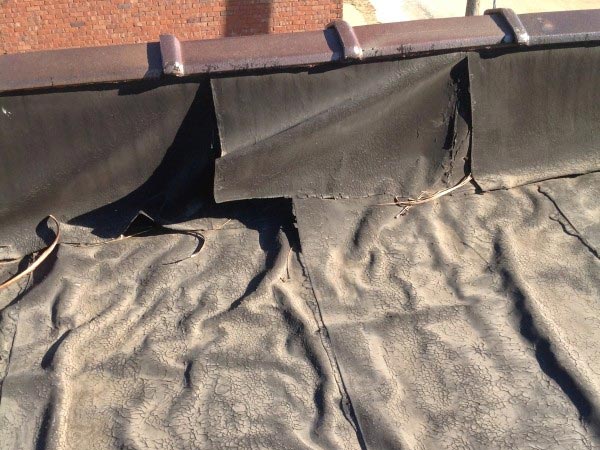
A commercial roof inspection in Post Falls, ID is a documented review of the roof’s membrane, seams, flashings, drainage and edges, done to find problems while they are still small. Flag Ship Foam & Coatings has 20 years in business and works on commercial, industrial and agricultural roofs across Montana and northern Idaho, including flat and low-slope roof systems. An inspection documents visible roof conditions and can help determine whether the next step is routine care, localized repair, coating or restoration evaluation, or additional investigation of concealed conditions.
For most Post Falls property owners, the practical questions are what the inspection covers, how often to schedule one, and what the findings mean for the budget. The sections below answer those questions. To talk through a building, call (208) 946-3031.
What a Commercial Roof Inspection Covers

A thorough inspection looks at the whole roof system rather than only the area where a leak showed up. The inspection reviews accessible roof areas and details that can be safely observed, with notes or photographs used to document visible conditions over time. Interior signs, such as ceiling stains, are noted too, but a stain alone does not show how far moisture has spread across the roof.
The usual areas of review include:
- The roof membrane or coating, including seams, laps, blisters, cracks and punctures
- Flashings around walls, curbs, vents, drains, skylights and rooftop equipment
- Drainage paths, including drains, scuppers, gutters and any areas where water stands
- Edges, terminations and perimeter metal
- Earlier repairs and sealant that has aged or pulled away
- Visible conditions or interior symptoms that may justify additional moisture or substrate assessment
How Findings Translate Into Next Steps
An inspection is only useful when the findings lead to a clear decision. The table below shows how common findings usually connect to the next step. The right answer for a specific building depends on the roof type, its age and the condition of what is under the surface.
| Area inspected | What the inspector looks for | Possible next step |
|---|---|---|
| Membrane surface and seams | Cracking, blistering, open or lifting seams, UV wear, punctures | Localized repair, seam or flashing work, or a coating assessment when the surrounding roof condition supports it |
| Flashings and penetrations | Loose or split flashing, failed sealant around vents, curbs, drains and equipment | Detail repair or further evaluation where the observed condition could allow water entry |
| Drainage and ponding | Standing water after rain, clogged drains or scuppers, debris buildup | Drainage cleaning or correction as appropriate; recurring ponding should be evaluated separately from coating candidacy |
| Moisture beneath the surface | Soft spots, stained ceilings, signs of wet insulation | Additional moisture evaluation, core sampling, or another appropriate method when needed before selecting a larger scope |
| Roof edges and perimeter | Loose edge metal, lifting terminations, damaged coping | Edge, termination, or flashing repair as appropriate to the documented condition |
| Past repairs and rooftop equipment | Aging patches, sealant breakdown, new penetrations without proper detailing | Repair or revise the detail with materials and methods compatible with the existing roof system |
How Often Should a Post Falls Commercial Roof Be Inspected?
Inspection frequency should reflect the roof system, age, condition, building use, prior repairs, exposure, and any written maintenance or warranty requirements. North Idaho roofs can face snow, ice, rain, wind, and repeated temperature changes, so seasonal reviews and checks after significant weather may be appropriate depending on the building and roof condition. A roof with recurring leaks, frequent rooftop service, known problem areas, or more advanced deterioration may justify a different inspection schedule.
Inspection also belongs in a larger care plan. If you are building a routine, see our guidance on roof maintenance in Post Falls, which covers the upkeep that sits alongside inspections.
What Happens After the Inspection
The useful result is a plain description of what was observed, where it was found, and which items need routine follow-up, repair, or further evaluation. Findings usually fall into three groups.
- Routine care: drainage cleaning, debris removal, and minor service items that fall within the maintenance scope.
- Targeted repair: failed seams, flashings or isolated damaged areas. For many flat roofs this is addressed through flat roof repair in Post Falls.
- Restoration or coating: broader surface wear on a roof may justify evaluating roof restoration in Post Falls or a roof coating system.
Coating and restoration candidacy depends on moisture, adhesion, substrate, drainage, compatibility, and the overall roof condition. Surface treatment does not by itself correct concealed wet materials, deteriorated decking, or structural drainage problems. Where deterioration, moisture, attachment, substrate, or drainage problems are widespread, replacement may need to be compared with repair or restoration after the necessary evaluation is complete.
Planning an Inspection Around Your Building
Before an inspection, it helps to gather what you know about the roof: its approximate age, the type of system, past repairs, any warranty documents and a record of leaks or interior stains. Tell the inspector about rooftop equipment, access routes and any areas of concern. Occupied buildings, food processing sites and agricultural facilities often have schedule or access limits, and those are easier to plan around when they are raised at the start.
An inspection also gives a baseline. Photos and notes from one visit can provide a baseline for later comparisons, helping owners track whether observed conditions are stable, recurring, or changing and plan future repair or restoration work.
Commercial Roof Inspections in Post Falls, ID
Flag Ship Foam & Coatings serves commercial, industrial and agricultural properties in Post Falls and across northern Idaho and Montana. For a Post Falls commercial property, Flag Ship Foam & Coatings can review accessible roof conditions and discuss the findings. Current service information is available from the company.
Frequently Asked Questions
What is included in a commercial roof inspection?
A commercial roof inspection reviews the membrane or coating, seams, flashings, drainage, edges and past repairs. The inspector records what was found, where it is and how urgent it appears.
How often should a commercial roof in Post Falls be inspected?
There is no single interval for every roof. The schedule should reflect the roof system, age, condition, building use, prior repairs, exposure, and any written maintenance or warranty requirements.
Can an inspection tell me if my roof needs replacement?
An inspection documents visible conditions and can identify areas that need more investigation. Moisture scanning, core sampling, or another method may be appropriate when concealed conditions must be defined before a larger scope is chosen.
Will a roof inspection disrupt my business?
Operational impact depends on access, safety, rooftop equipment, interior sensitivity, and whether additional testing is needed. Access and timing for occupied buildings should be coordinated in advance.