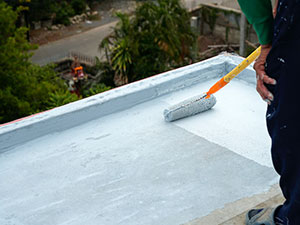
For a commercial roof in Butte, MT, coating can be a preventive maintenance option when the existing roof is still sound and suitable for restoration. Whether coating makes sense depends on moisture, adhesion, decking, drainage and compatibility, not roof age alone. It is not a substitute for repairing active damage or replacing an unsound roof.
Flag Ship Foam & Coatings provides commercial roof coating and restoration services in Butte, Montana. To talk through whether your roof is a coating candidate, call 208-946-3031.
Roof Coating as Preventive Maintenance
In Butte’s climate, roofs are exposed to wide temperature swings, UV exposure and seasonal moisture. Those conditions wear on a membrane year after year, and a coating gives the existing surface a protective layer before small defects turn into leaks.
Waiting Too Long Is a Costly Mistake
Some commercial roofs show gradual deterioration through membrane aging, seam separation, surface cracking or UV damage. When early signs are ignored, small issues can become moisture intrusion, saturated insulation and structural concerns.
Where conditions support restoration, timely coating may help preserve the existing system and delay the need for flat roof replacement. Confirmed wet insulation or compromised structural components must be addressed before a coating can be considered.
How Coating Works as Maintenance
A roof coating forms a continuous protective layer over the existing roofing surface. That layer shields the roof from ultraviolet radiation, may limit some weathering and protect properly repaired surface details. Results depend on the existing roof, the coating system and how well the surface was prepared.
As part of a maintenance strategy, coating is installed after necessary repairs are made and the surface is properly prepared. Treating coating as preventive maintenance gives owners a planned way to manage the roof rather than reacting to leaks.
Restoration Candidate or Repair First: A Decision Table
Roof age alone does not decide whether a roof can be coated. Condition does. The table below shows the factors that usually separate a restoration candidate from a roof that needs repair or replacement first.
| Condition | Usually a coating candidate | Usually repair or replacement first | Why it matters |
|---|---|---|---|
| Moisture | Dry membrane and insulation, or only isolated wet spots that can be cut out and replaced | Saturated insulation or widespread wet areas | Coating seals the surface. It does not dry out insulation trapped beneath it. |
| Adhesion | The existing surface is clean, sound and bonds in a test area | Surface is flaking, delaminating or will not hold a bond | A coating is only as secure as the surface under it. |
| Substrate condition | Membrane is intact with minor cracking, seam separation or worn areas that can be repaired first | Rotten decking, torn or blistered membrane over large areas, or failed flashings that cannot be repaired | Coating does not correct rotten decking or structural damage. |
| Drainage | Water leaves the roof within a reasonable time, with only minor low spots | Ponding water from slope, deck or drain defects | Coating does not correct ponding-water drainage defects. |
| Compatibility | The coating system suits the existing roof type, and primers or repairs are matched to it | The existing material cannot be coated with a compatible system | Compatibility is confirmed before material is ordered. |
Many roofs fall in between. A roof with a few wet areas or failed seams may still be a candidate once those areas are cut out and repaired. The goal is to find out before material is bought, not after.
Timing Matters
A useful time to evaluate coating is while the commercial roof still has a sound substrate and serviceable materials. Inspection findings should determine whether any damaged areas need repair before coating or whether replacement is more appropriate.

Evaluation Before Coating
A roof inspection for a coating decision normally covers the surface condition, seams, penetrations, flashing, drainage and signs of moisture. Where wet insulation is suspected, further moisture checking may be needed to find its extent. The findings should be written down so the repair scope and coating plan are based on what was found.
Preparation, Repairs and Acceptance
Preparation Is the Foundation of Performance
A coating system is only as good as the work behind it. Preparation normally starts with cleaning the roof so the coating can bond. Repairs follow, including seams, penetrations, flashing details, punctures and other surface irregularities. The repair side of that work is covered on the Butte flat roof repair page.
Skipping or rushing preparation can shorten the coating’s service life and reduce performance. Drainage problems should be identified before coating, because coating does not fix a roof that holds water.
What to Check Before Accepting the Work
- Repairs are complete and the surface is clean before coating begins.
- The coating is applied to the specified coverage and is continuous across seams, edges and details.
- Penetrations, flashings and drains are coated and sealed as planned.
- Any problem areas found during the work are documented and addressed.
Follow-Up Inspection
A coating does not remove the need for inspections. A follow-up inspection after application and routine inspections afterward help catch damage from foot traffic, debris or severe weather before it spreads. Keeping those records also supports future maintenance decisions.
Budget and Long-Term Planning
From a financial standpoint, coating as a maintenance step lets owners spread roofing costs over time rather than facing a single large capital expense. How many years a coating adds depends on the roof, the coating system and how the roof is maintained, so any expected life should be confirmed for the specific system. A written plan can help owners budget for roof maintenance and schedule work around building operations.
Protecting More Than the Roof
A well-maintained roof protects interior assets, tenant spaces, equipment and daily operations. In commercial buildings where downtime and water damage are disruptive and costly, prevention is often the most practical approach.
Roof Coating Masters
For commercial property owners in Butte, roof coating belongs in an overall maintenance plan rather than serving as a last resort. With sound timing, thorough preparation and an honest evaluation of the roof, coating can preserve an existing system and keep the building protected. An assessment of existing roof conditions can establish whether coating belongs in the project scope.
To learn more about coating as preventive maintenance, call 208-946-3031 and schedule a consultation.
Frequently Asked Questions
When is a commercial roof too damaged for coating?
If insulation is saturated, decking or other structural components are compromised, or leaks are widespread, coating is unlikely to work. An inspection can confirm whether repairs would bring the roof back into range.
Does roof coating fix ponding water?
No. Coating does not correct drainage defects. Ponding water caused by slope, deck or drain problems should be addressed separately.
How long can preventive roof coating extend roof life?
It can add years of service when the roof is sound and the coating is properly installed and maintained. The amount depends on the existing roof, the coating system and local conditions.
Does roof coating replace regular roof inspections?
No. Coating complements inspections but does not replace them. Ongoing inspections identify issues early and protect the coating investment.