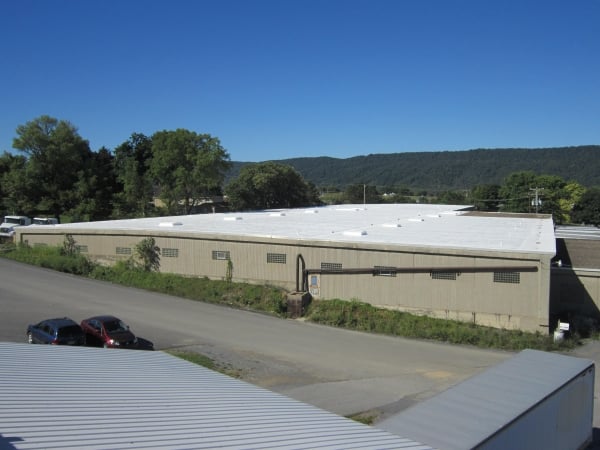
Spray foam roofing can fit a Butte commercial building when the existing roof assembly is suitable for restoration, the substrate can be prepared for adhesion, moisture conditions are understood, and the project would benefit from a continuous foam-and-coating system. Deck damage, unresolved moisture, incompatible surfaces, or drainage problems can change the scope before foam is considered. Flag Ship Foam & Coatings installs spray foam roofing systems for commercial, industrial and agricultural buildings in Montana and northern Idaho, including Butte.
This page explains how a spray foam roof works, why Butte’s cold climate makes the question worth asking, and which roof conditions should be checked before a system is chosen.
How a Spray Foam Roof Works

Spray polyurethane foam is applied as a liquid that expands and cures into a rigid, continuous layer across the roof. It can be shaped around curbs, vents, pipes, and other irregular details, although those areas still require careful preparation, thickness control, flashing, and coating. The foam is not the finished weathering surface by itself. A compatible protective coating is installed over the foam, and that coating becomes part of the system that requires inspection and maintenance over time.
A typical system has three parts: a prepared substrate, the foam layer, and the protective coating. Performance depends on the substrate, preparation, foam application, coating system, drainage, detailing, and maintenance, so inspection and preparation are central to the scope.
Why Butte’s Climate Matters
Butte commercial roofs can be exposed to cold temperatures, snow, wind, and large seasonal temperature changes. Those conditions affect drainage, substrate temperature, application timing, rooftop detailing, and maintenance. Spray foam adds insulation at the roof level and creates a continuous layer, but the thermal effect on a specific building depends on existing insulation, specified foam thickness, roof assembly, air leakage, interior use, and HVAC conditions. Energy savings should not be assumed from the roofing material alone.
Climate also affects installation. Foam and coating products have written requirements for substrate condition, temperature, moisture, wind, application thickness, and cure time, so installation should follow the selected system’s requirements rather than a generic weather rule. A contractor should explain how weather will be handled and what happens if conditions change during the job.
Roof Conditions That Decide Whether Spray Foam Fits
The table below shows how common conditions line up with a spray foam decision.
| Roof condition | Spray foam fit | What to confirm |
|---|---|---|
| Existing assembly is suitable for restoration and the substrate can be prepared for adhesion | Potential fit after required repairs, cleaning, testing, and preparation | Confirm substrate compatibility, adhesion, moisture condition, preparation, and selected system requirements |
| Moisture is confirmed in insulation or other roof components | Affected materials may require removal or replacement before restoration | Determine the extent of moisture and whether affected materials must be removed before the new system is installed |
| Project goals include added roof-level insulation and a continuous adhered restoration system | A reason to compare spray foam with other viable roofing scopes | Thermal performance depends on the complete assembly, specified thickness, interior use, and existing building conditions |
| Complicated roof with many curbs, penetrations and irregular shapes | Foam can be shaped around irregular roof geometry | Curbs, penetrations, transitions, thickness, and protective coating still require careful detailing |
| Recurring standing water, drainage problems, or deck deterioration | These conditions require correction or a different scope before foam installation | Evaluate drainage, slope, deck condition, and the corrective work needed before selecting a restoration system |
| Heavy rooftop foot traffic or frequent equipment service | Possible when the traffic plan and selected system provide appropriate protection | Traffic protection or designated service routes may be included where the selected system calls for them |
If the inspection finds localized damage, flat roof repair may be the right first step. If moisture, deck condition, drainage, or widespread deterioration make restoration unsuitable, flat roof replacement may need to be compared with repair or restoration. If the existing roof remains a suitable restoration base and added foam insulation is not part of the project goal, a roof coating may be a separate option to compare.
What to Expect From the Process
- Inspection: the roof is reviewed for moisture, deck and substrate condition, drainage, existing materials, prior repairs, and areas that may affect adhesion or detailing. A commercial roof inspection gives the owner a record to work from.
- Repairs and preparation: damaged or unsuitable areas are addressed, moisture findings are resolved as required, and the substrate is cleaned and prepared for the selected system.
- Foam application: foam is applied to the specified thickness and shaped as required by the approved roof design and drainage plan.
- Protective coating: the specified compatible coating is applied over the cured foam according to the system requirements.
- Final check and records: the finished roof and details are reviewed, and the owner receives the agreed project records and any applicable written warranty or maintenance documents.
Flag Ship Foam & Coatings lists system warranties of up to 20 years depending on the roof system. If warranty coverage is part of the proposal, rely on the actual written document for coverage, exclusions, maintenance responsibilities, and inspection requirements.
Questions to Ask Before Choosing Spray Foam
- How will moisture in the existing roof be checked, and what happens if it is found?
- What thickness and coating system are proposed, and why?
- How will drains, curbs and penetrations be detailed?
- What maintenance and recoating should the owner plan for?
- If a warranty is offered, what does the written document cover, exclude, and require for maintenance or repairs?
Spray Foam Roofing in Butte, MT
Flag Ship Foam & Coatings has been in business for 20 years and works across spray foam, acrylic and silicone coatings and restoration, single-ply systems and general commercial roofing. To discuss a Butte roof, call (208) 946-3031 or use the contact page.
Frequently Asked Questions
Does spray foam roofing need a coating?
Yes. Spray foam is protected by a coating that shields it from sunlight and weather, so the system is foam plus coating and the coating is maintained over time.
Can spray foam be applied over an existing roof?
Sometimes. Suitability depends on moisture, substrate and deck condition, existing layers, adhesion, drainage, compatibility, code, and the selected spray-foam system.
Will spray foam lower heating costs in Butte?
It adds roof-level insulation, but heating-cost results depend on the complete building, existing insulation, air leakage, HVAC system, interior use, and specified foam thickness. Savings should not be assumed in advance.
What weather is needed to install spray foam?
Foam and coating products have system-specific requirements for temperature, substrate moisture, wind, application thickness, and cure time. Installation should follow the selected product’s written requirements.